
Caregiving From a Distance: Remote Medication Monitoring Options

When you can’t be in the room — or the city — at pill time, “remote monitoring” becomes more than a nice-to-have. Here’s what that actually looks like with PillBuddie today, and what it doesn’t (yet) include, so you can set expectations correctly before you buy.
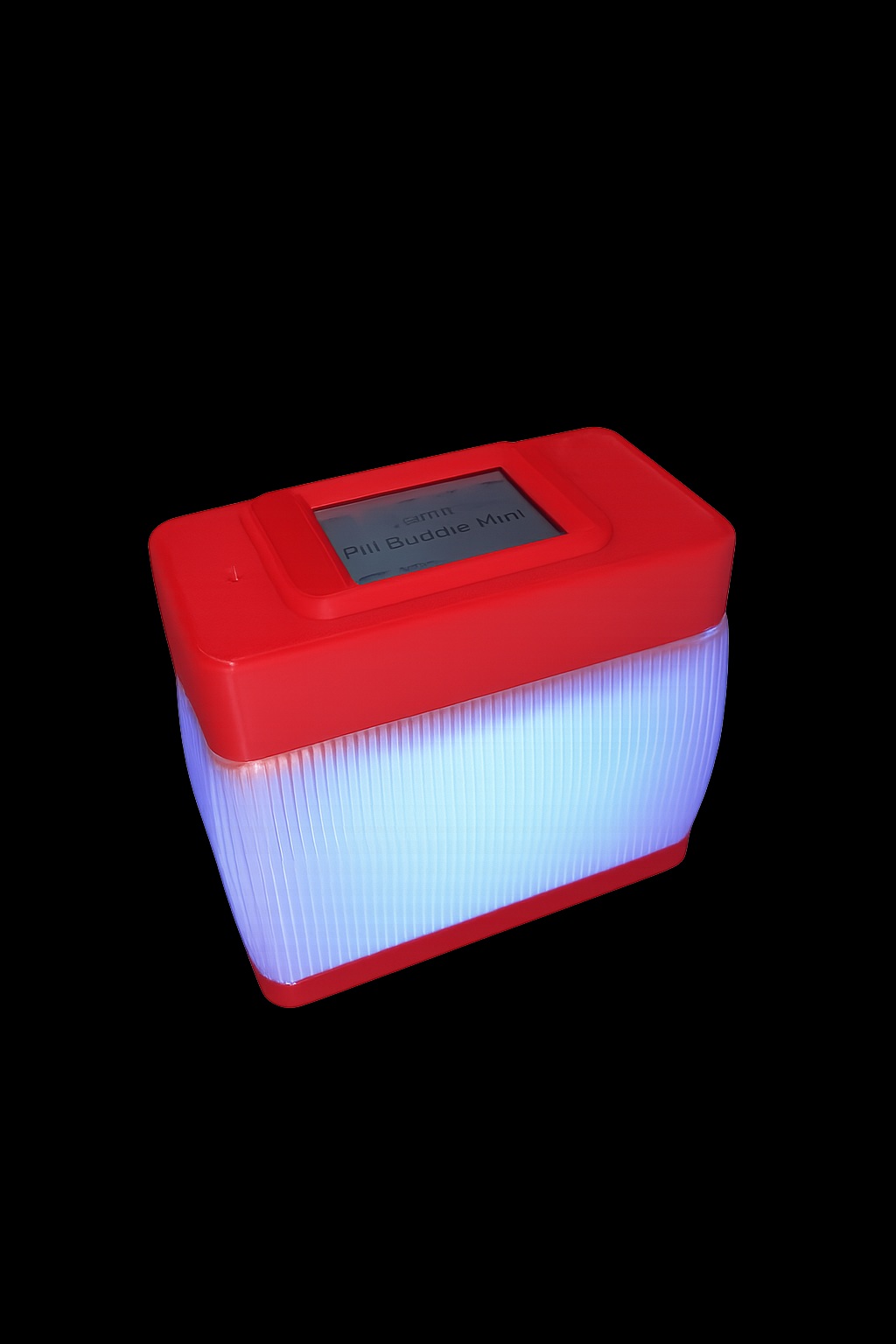
What Remote Monitoring Means for PillBuddie
The Pill Buddie Mini is a small companion device that mirrors the real-time status of a paired Pill Buddie Classic or Pill Buddie Lockable over Wi-Fi. Place a Mini anywhere there’s an internet connection — another room, another building, another city — and it lights up and (optionally) beeps whenever the main unit is alerting for a dose.
This is device-to-device mirroring, not an app. There’s no PillBuddie phone app today, and alerts don’t currently push to a caregiver’s smartphone directly — the Mini itself is the remote display.
How the Mirroring Works
When it’s time for a dose, the main PillBuddie unit dispenses medication into its tray and begins alerting. A paired Mini mirrors that same alert — LED flashing and an optional beep — and both continue until the dose is physically removed from the main unit’s tray. That gives a caregiver visual confirmation that the medication was actually taken, not just that the alarm went off.
Because the connection runs over Wi-Fi and the internet rather than short-range Bluetooth, the Mini doesn’t need to be near the main dispenser. A Mini in a caregiver’s home can mirror a parent’s dispenser across town, or across the country, as long as both have a stable internet connection.
If the Main Unit Loses Power, You’ll Know
One of the more overlooked risks with any connected reminder system is silent failure — a device that stops working without telling anyone. Because the Mini stays continuously connected to the main dispenser over Wi-Fi, it can tell the difference between “no alert because nothing’s due yet” and “no alert because the main unit isn’t responding.” If the main PillBuddie is unplugged or loses power, the Mini detects that the connection has dropped and alerts the caregiver — rather than staying quiet and giving a false sense of security. For a caregiver monitoring from a distance, that distinction matters as much as the dose reminders themselves.
Standalone or Paired
The Mini can also run on its own, without being paired to a main dispenser, as a simple persistent reminder light and alarm for someone who needs a prompt but doesn’t need a full dispensing device. Paired mode is what enables the distance-monitoring use case described above.
What to Expect Today
If you’re comparing this to a fully connected app-based system, it’s worth being clear about the current scope: PillBuddie’s remote monitoring today is Mini-to-main-device mirroring, not a mobile notification. If your top priority is a phone alert the moment a dose is missed, ask us directly about current capabilities before you buy — we’d rather you know exactly what you’re getting.
Why It’s Still a One-Time Purchase
Unlike subscription-based systems that charge monthly for connectivity and monitoring, every PillBuddie device — including the Mini — is a one-time purchase with no ongoing fee. See how that adds up over time in our PillBuddie vs. Hero comparison, or view full specs on the Pill Buddie Mini product page.
PillBuddie is not a medical device. It dispenses pre-loaded medication on a schedule set by the user or caregiver; it does not diagnose, prescribe, or verify that medication was taken correctly.